
 Stretching
10-Minute Daily Mobility Routine
Gentle mobility drills for hips, shoulders, and thoracic spine to combat sedentary desk fatigue.
Read ArticleLearn safe, low-impact exercise strategies, joint mobility drills, walking guidelines, and post-workout recovery habits.
Bodyweight squats, push-up variations, and core stabilization for functional strength.
Dynamic warm-ups and static post-activity stretches to maintain joint flexibility.
Listening to bodily signals, proper form alignment, and preventing overuse strain.
Stretching
Gentle mobility drills for hips, shoulders, and thoracic spine to combat sedentary desk fatigue.
Read Article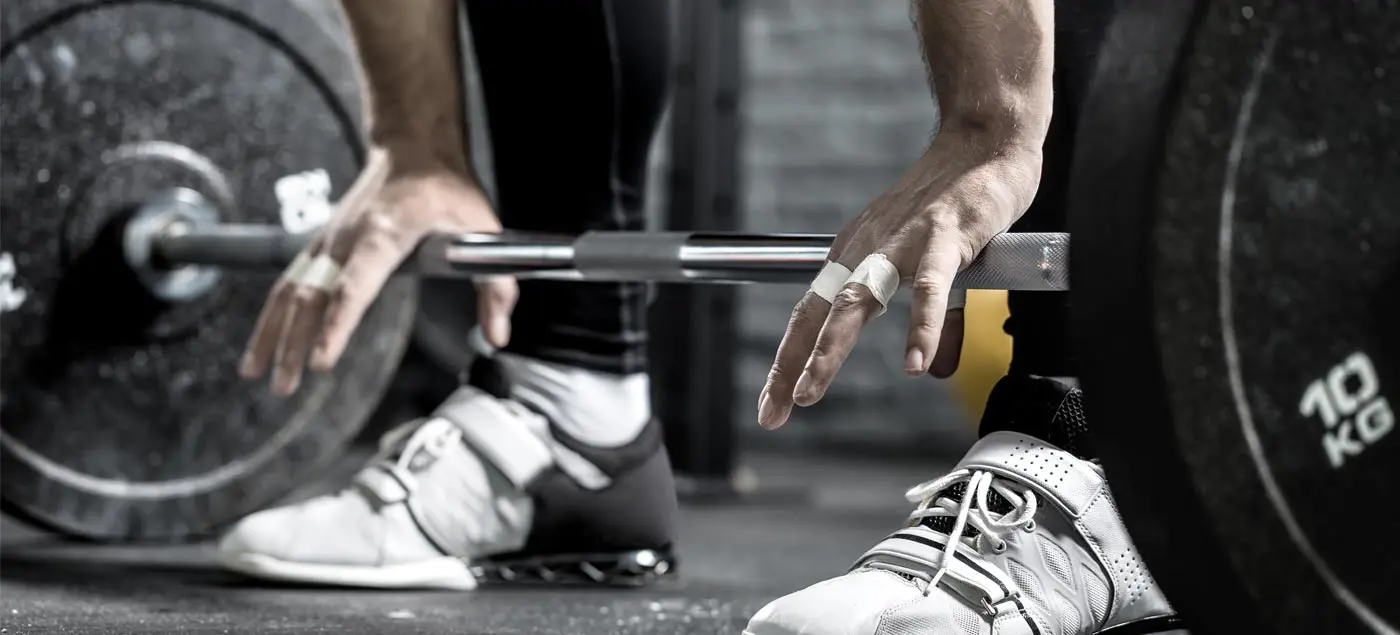 Strength
How gentle resistance exercises maintain bone density, metabolic speed, and postural muscle balance.
Read Article Daily Movement
Simple habits like taking stairs, walk-and-talk phone calls, and evening strolls for daily activity targets.
Read Article Recovery
Why muscle repair happens during downtime, and how nutrition, hydration, and sleep facilitate physical recovery.
Read Article Aerobic Health
The difference between low-intensity steady-state movement and moderate aerobic activity for heart endurance.
Read Article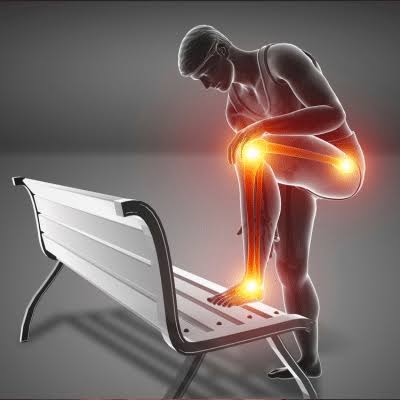 Joint Health
Essential movement cues for protecting knees, lower back, and shoulders during physical exercise.
Read ArticleBuilding heart health, lung capacity, and vascular circulation through sustained low-impact movement.
Exercising at a conversational pace where you can easily speak full sentences maximizes mitochondrial fat oxidation.
Increase your daily step count incrementally by 500 steps weekly to steadily adapt tendon and heart stamina.
Incorporate stair climbing, walking during lunch breaks, and parking further away for non-exercise activity energy expenditure.
Cycling, swimming, and elliptical training deliver robust heart conditioning without joint impact stress.
Targeted stretches and mobilization exercises to reverse sedentary desk tightness and support spinal health.
Perform gentle upper-back arching stretches over your chair backrest to open tight chest and shoulder muscles.
Kneeling hip flexor lunges stretch deep psoas tissue shortened by prolonged sitting during desk work.
Ankle circles and calf stretches restore dorsiflexion range of motion necessary for proper squatting and gait mechanics.
Perform gentle cervical retractions to align your head over your shoulders and relieve forward-head tech neck strain.
Master fundamental human movement patterns to build functional muscular strength without complex equipment.
Keep heels flat, push hips back, and maintain knees aligned over toes to strengthen quads, glutes, and hamstrings.
Place hands on an elevated desk or wall to master push-up chest and triceps engagement with controlled resistance.
Maintain a straight line from ears to ankles for 20 to 30 seconds to brace deep abdominal transverse muscles.
Lie on your back, press through heels, and squeeze glutes at the top to activate posterior chain support.
Essential post-workout routines to repair muscle tissue, replenish fluids, and avoid strain.
Rehydrate with water and a pinch of natural salt or mineral water within 30 minutes following active movement.
A light 10-minute slow walk after exercise helps clear lactic metabolic byproducts and gradually lowers heart rate.
Distinguish between mild muscular fatigue and sharp joint pain; rest immediately if sharp pain occurs.
Muscles rebuild and strengthen during rest days, not during exercise sessions. Schedule at least 2 full rest days weekly.