
 Sleep & Rest
Sleep Hygiene & Nightly Recovery
Understanding ambient temperature, blue light management, and consistent bedtimes for deep restorative sleep cycles.
Read ArticleExplore evidence-informed articles on sleep quality, stress mitigation, restorative mind habits, and personal hygiene practices.
Sleep & Rest
Understanding ambient temperature, blue light management, and consistent bedtimes for deep restorative sleep cycles.
Read Article Stress Management
Diaphragmatic breathing, progressive muscle relaxation, and micro-pauses to reset your nervous system during busy workdays.
Read Article Hydration
How consistent fluid balance supports cognitive focus, joint lubrication, metabolic function, and energy stability.
Read Article Mental Wellness
Strategies for digital detoxing, practicing gratitude journal writing, and cultivating emotional self-awareness.
Read Article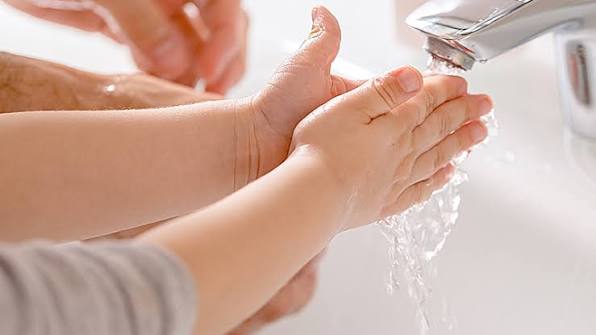 Personal Hygiene
Science-backed hygiene habits for skin health, hand sanitation, dental care, and everyday environmental cleanliness.
Read Article Work-Life Balance
Establishing healthy temporal and psychological boundaries between remote work responsibilities and restorative home life.
Read ArticleHarmonize your internal body clock with natural day-night light cycles for improved sleep and energy.
Expose your eyes to outdoor sunlight within 30 minutes of waking to trigger cortisol release and set your circadian timer.
Use evening night-shift display settings and dim artificial overhead lighting 2 hours prior to your planned bedtime.
Avoid bright LED screens in pitch darkness to protect natural pineal gland melatonin production for deep sleep.
Utilize blackout curtains and eliminate ambient standby lights to ensure continuous REM and slow-wave sleep cycles.
Practical, evidence-backed micro-practices to regulate your autonomic nervous system throughout busy workdays.
Inhale for 4 seconds, hold for 4, exhale for 4, hold for 4. Repeat for 3 minutes to activate parasympathetic calm.
Spend 15 minutes daily in green spaces or parks to lower circulating salivary cortisol and blood pressure levels.
Systematically tense and release muscle groups from feet to shoulders to discharge accumulated physical tension.
Designate 1 hour every evening completely free of notifications, headlines, and social media feeds.
Optimizing your immediate physical surroundings to support respiratory health and mental clarity.
Open windows daily for fresh airflow and utilize HEPA air filtration to reduce indoor dust and allergens.
Adjust monitor height to eye level and position chair lumbar support to prevent chronic spinal fatigue.
Maintain indoor relative humidity between 40% and 60% to support respiratory mucosa and skin moisture barrier.
Incorporate soft rugs or acoustic curtains to absorb harsh background noise and create a peaceful habitat.
Sustainable psychological strategies for maintaining balance in professional and personal domains.
Establish clear work shutdown rituals to prevent professional stress from bleeding into family and personal rest hours.
Write down 3 specific positive occurrences daily to shift brain focus toward appreciation and emotional stability.
Nurture meaningful face-to-face interactions with supportive friends and family to strengthen emotional reserves.
Practice realistic expectations during challenging days, treating personal setbacks with patience and understanding.