 Meal Balance
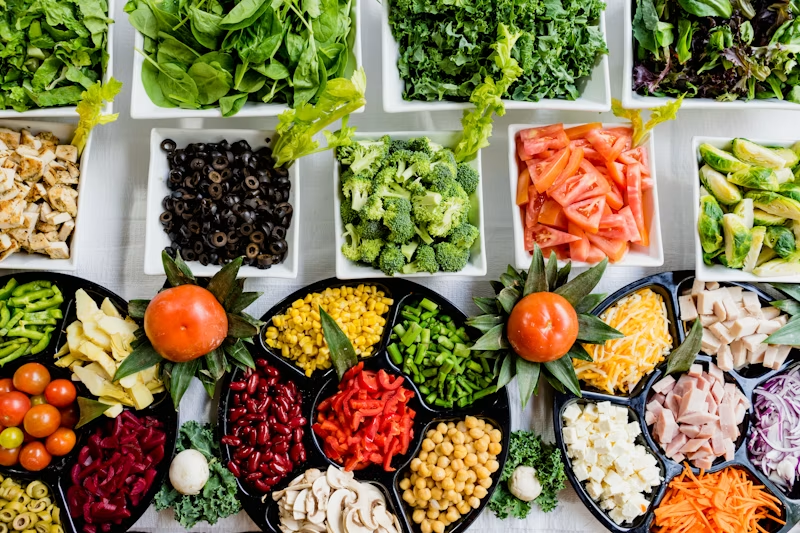
The Anatomy of a Balanced Plate
Practical visual guides for proportioning vegetables, lean proteins, complex grains, and healthy fats at meal times.
Read ArticleExplore general educational insights on balanced meal assembly, food label reading, dietary fiber, and healthy snacking habits.
Rich in antioxidants, essential vitamins, and dietary fiber for vital body support.
Complex carbohydrates providing sustained blood glucose stability and digestive fiber.
Essential amino acids supporting muscle maintenance, immune cells, and tissue repair.
Unsaturated fatty acids, Omega-3s, nuts, seeds, and olive oils for cellular health.
Meal Balance
Practical visual guides for proportioning vegetables, lean proteins, complex grains, and healthy fats at meal times.
Read Article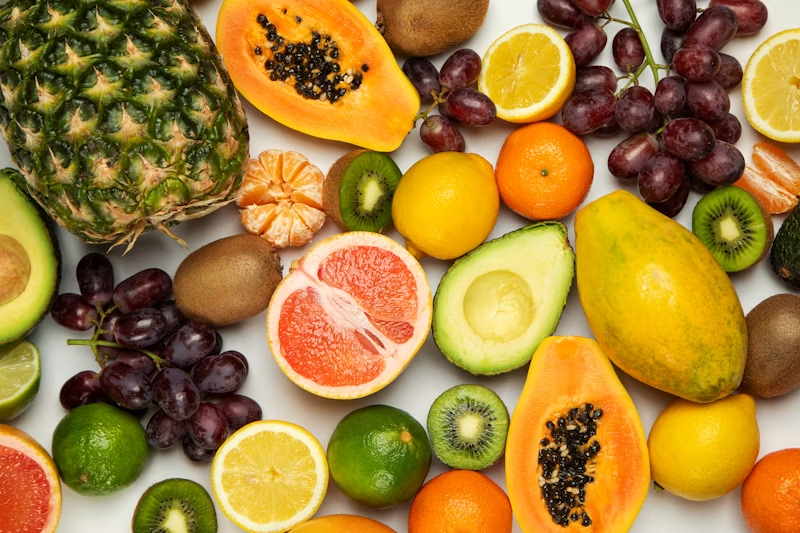 Fruits & Veggies
How incorporating diverse plant pigments provides varied phytonutrients to support general vitality.
Read Article Healthy Snacking
Pairing protein and fiber in afternoon snacks to maintain energy without energy crashes.
Read Article Food Labels
Learn how to read serving sizes, added sugar content, sodium percentages, and ingredient lists confidently.
Read Article Hydration
Discover cucumbers, melons, oranges, and leafy greens that contribute to your daily fluid quota naturally.
Read Article Meal Planning
Time-saving preparation tips for organizing home-cooked dinners and reducing reliance on processed foods.
Read ArticleKey vitamins and minerals that enable cellular energy production, bone density, and metabolic vital functions.
Found in dark leafy greens, seeds, and nuts; supports muscle relaxation, nerve transmission, and sleep quality.
Synergistic pair crucial for skeletal strength and immune cell signaling through sunlight and fortified foods.
Heme and non-heme iron sources transport vital oxygen throughout systemic blood vessels to prevent fatigue.
Essential trace element present in legumes and seeds that assists tissue repair and cellular barrier protection.
Nurturing your gastrointestinal tract with prebiotic dietary fiber and probiotic nutrient choices.
Onions, garlic, oats, and apples feed beneficial gut bacteria to produce short-chain fatty acids for intestinal health.
Plain yogurt, kefir, sauerkraut, and kimchi introduce diverse beneficial live bacterial cultures to your digestive tract.
Drinking adequate water alongside soluble fiber ensures smooth gastrointestinal transit and optimal nutrient absorption.
Chewing food thoroughly mixes salivary digestive enzymes, reducing bloating and aiding stomach breakdown.
Practical supermarket strategies for selecting nutrient-dense whole ingredients on any budget.
Focus the majority of your shopping cart on the outer perimeter where fresh produce, proteins, and whole foods sit.
Read ingredient lists first; prioritize items with short, recognizable whole food ingredients over synthetic additives.
Identify hidden sugars under names like high-fructose corn syrup, maltodextrin, and cane juice in packaged foods.
Flash-frozen berries and vegetables retain high vitamin content and provide cost-effective, long-lasting nutrition.
Maintain steady blood glucose and mental focus between meals with balanced snack pairings.
Pair apple slices with almond butter or carrots with hummus to slow glucose absorption and prolong fullness.
Counter afternoon brain fog with a handful of walnuts and a glass of water rather than sugary energy drinks.
Pre-portion snacks into reusable containers rather than eating directly from large bags to avoid mindless overeating.
Opt for light, easily digestible evening options like herbal chamomile tea or a small banana before sleep.